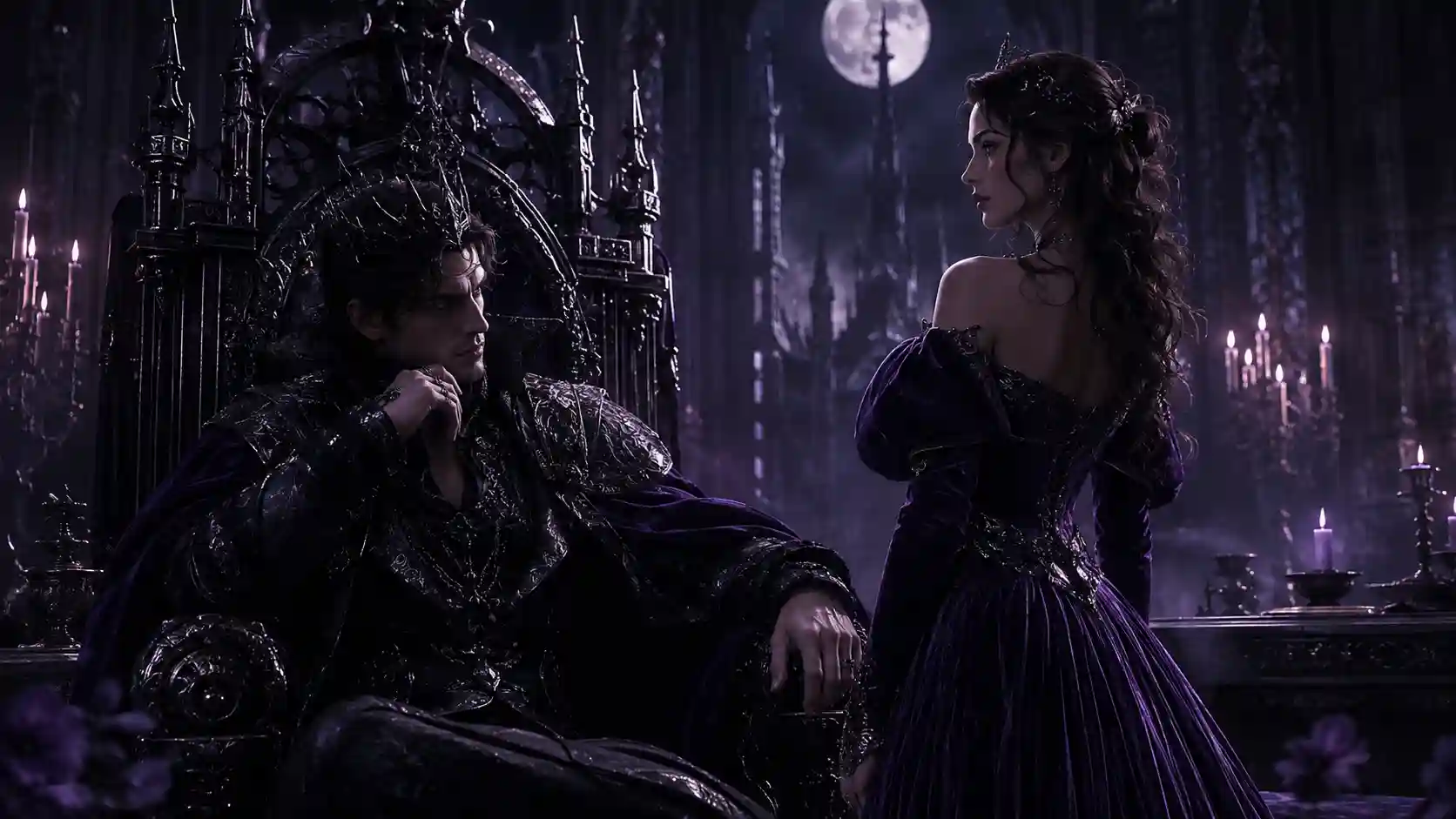
In traditional storytelling, the hero defeats the villain, saves the kingdom, and wins the heroine's heart. But in dark romance and romantasy, readers routinely toss the traditional hero aside in favor of the antagonist sitting on the obsidian throne.
The "Villain Gets the Girl" (or "Villain Romance") trope dominates BookTok, reader recommendation lists, and viral discussion boards. Readers aren't just tolerating darker love interests; they actively root for the ruthless lord, the morally questionable commander, or the shadow-wielding antihero to win over the heroine.
As an author diving into dark romance dynamics, analyzing why this trope holds such a powerful grip on readers uncovers fascinating insights about control, honesty, and narrative freedom.
Unfiltered Honesty in a World of Hypocrisy
Traditional heroes are often bound by rigid codes of conduct, duty, and noble expectations. While noble intentions are admirable, they can sometimes make a hero predictable or prone to sacrificing personal desire for the greater good.
The villain, by contrast, operates with absolute honesty about who he is. He doesn't pretend to be noble. He acknowledges his dark motives, his ambitions, and his flaws from the start. When a character who refuses to apologize to the world suddenly shows absolute, unyielding transparency to the heroine, it creates a powerful intimacy. Readers gravitate toward that authenticity—the feeling that behind closed doors, all political masks are discarded.
The Thrill of High Stakes and Unapologetic Choice
In many classic narratives, the hero expects the heroine to fit into his structured world. The villain romance flips this dynamic completely. A true villainous love interest doesn't ask the heroine to change, diminish her ambition, or tame her darker impulses. Instead, he encourages her to embrace her power.
This setup allows for high-stakes narrative freedom. When two formidable characters team up, the conflict ceases to be about simple survival and becomes a quest for shared dominance. The villain doesn't offer a quiet, safe life; he offers an empire, and he respects the heroine enough to let her decide whether to conquer it beside him.
The Ultimate Devotion: The World vs. Her
Perhaps the biggest driver behind the villain romance craze is the sheer scale of devotion. A traditional hero will often choose to save the world over saving the heroine because his morality demands it.
The villain reverses those priorities entirely. To him, the world is secondary, and the heroine is paramount. He would burn down cities, break ancient treaties, or challenge gods if anyone dares cross her. In a fictional space, that level of ruthless, single-minded devotion offers an exhilarating escape from everyday reality. It satisfies a deep narrative craving for a love interest whose loyalty is absolute and unquestioned.
Do You Side With the Hero or the Villain?
When you open a dark romance, do you prefer a morally grey hero who slowly works his way toward redemption, or a full-fledged villain who stays unrepentantly dangerous to everyone except the heroine?
If you love dark fantasy worlds filled with clever heroines, high-stakes power dynamics, and dangerous men who meet their match, check out my published books and join the reader community.
Enjoyed this? Get Silas's backstory free when you join the newsletter.
Join the Newsletter