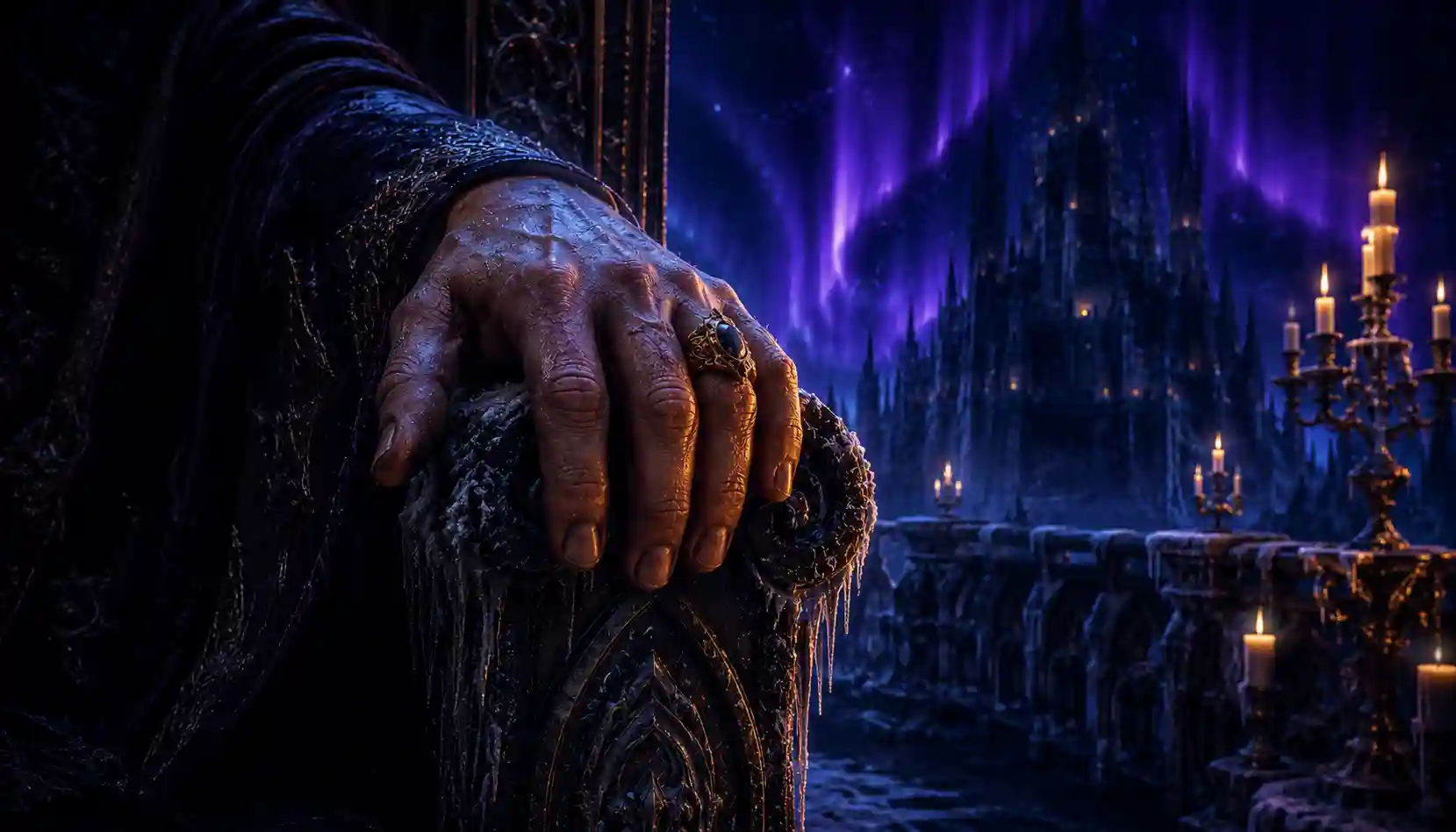
He's everywhere in dark romance and romantasy. Brooding, possessive, dangerous, and utterly devoted to one woman. The alpha hero is one of the most beloved — and most debated — archetypes in romance fiction. Readers can't get enough of him. Critics can't stop arguing about him.
So what exactly makes an alpha hero work? And where does the line between dominant and toxic actually fall?
What Is an Alpha Hero?
At his core, the alpha hero is a strong, dominant, aggressive male brought to the point of surrender by a woman. He is powerful in every room he enters — physically, socially, professionally — and he knows it. He doesn't ask for things. He takes them. He doesn't negotiate. He commands.
But here's what critics of the trope consistently miss: the alpha hero's dominance is never the point. The point is what undoes it.
The alpha hero combines traditionally masculine traits with fierce devotion to the heroine. That devotion is what separates him from a villain. He is dangerous to everyone — except her. He is controlled in every situation — except when she's threatened. The contrast between his public ferocity and his private surrender is the entire appeal.
The Alpha vs The Alphahole
Romance readers have developed a useful distinction: the alpha and the alphahole.
An alpha male is a confident, mature, domineering character who knows what he wants and is hell-bent on getting it. An alphahole, by contrast, might seem outwardly confident but internally is struggling — and while he's domineering, he goes a bit over the top.
The alphahole isn't a lesser version of the alpha — he's a more complex one. He has wounds. He has walls. He has done things that require reckoning. What keeps an alphahole from dipping into pure villain territory are two things: his redemption arc and his ability to grovel.
Readers don't want to see him become soft. They want to see him become accountable — specifically to her.
When Does Dominant Become Toxic?
This is the question that generates the most debate in romance communities, and it deserves a direct answer.
Dominant becomes toxic when the hero's control is about his comfort rather than her safety. When his possessiveness extends to isolation. When his protectiveness becomes a cage. When she is smaller at the end of the story than she was at the beginning.
A well-written alpha hero makes his heroine more — more powerful, more herself, more dangerous. His devotion doesn't diminish her. It arms her.
The test is simple: does she win? Not the romance — the story. Does she come out the other side with more agency, more power, more identity than she had at the start? If yes, the dominance served the story. If no, it's just control dressed up as love.
What Makes Silas Thorne Work
Silas Thorne — the Butcher of the North, Alpha of the Shadow North, the most feared Lycan in the frozen kingdom — is an alpha hero in the fullest sense. He has a body count. He has enemies who fear his name. He has never once in his life asked permission for anything.
And then Vesper Vane drives into his territory with a leather portfolio and an invoice.
What makes Silas work as a hero rather than a villain is precisely this: Vesper never shrinks. She argues with him. She outmaneuvers him. She invoices him. And Silas — who has never been outmaneuvered in his life — doesn't crush her for it. He respects it. And then, slowly, against every instinct he has, he falls.
His possessiveness never extends to control of her mind or her choices. His dominance is directed outward — at enemies, at threats, at anyone who looks at her wrong — never at her. The moment he tries to override her judgment, she pushes back, and he listens. Not immediately. Not easily. But he listens.
That's the line. An alpha hero who listens — eventually, reluctantly, with great difficulty — is a romantic lead. One who never does is a warning.
Why Readers Keep Coming Back
The alpha hero endures because he represents something readers rarely see elsewhere: a man whose power is in complete service of love. The fantasy isn't domination. It's devotion so total that the most dangerous person in the room becomes the safest person in her world.
Dark romantasy understands this better than any other subgenre. The supernatural setting amplifies the stakes — the hero's power is literal, his threats are real, his enemies are genuinely deadly. That makes his choice to protect her, to surrender to her, to be undone by her, mean something.
It's not about control. It's never been about control.
It's about what happens when the most powerful person in the world decides that she is the only thing worth kneeling for.
Read Silas Thorne
The Violet Queen trilogy begins with The Liability Clause — available now on Amazon and in Kindle Unlimited.
If you want to understand what an alpha hero looks like when he's written right, start there.
Enjoyed this? Get Silas's backstory free when you join the newsletter.
Join the Newsletter